Barcelona Tourism: Insights from the Pathfinders Seminar
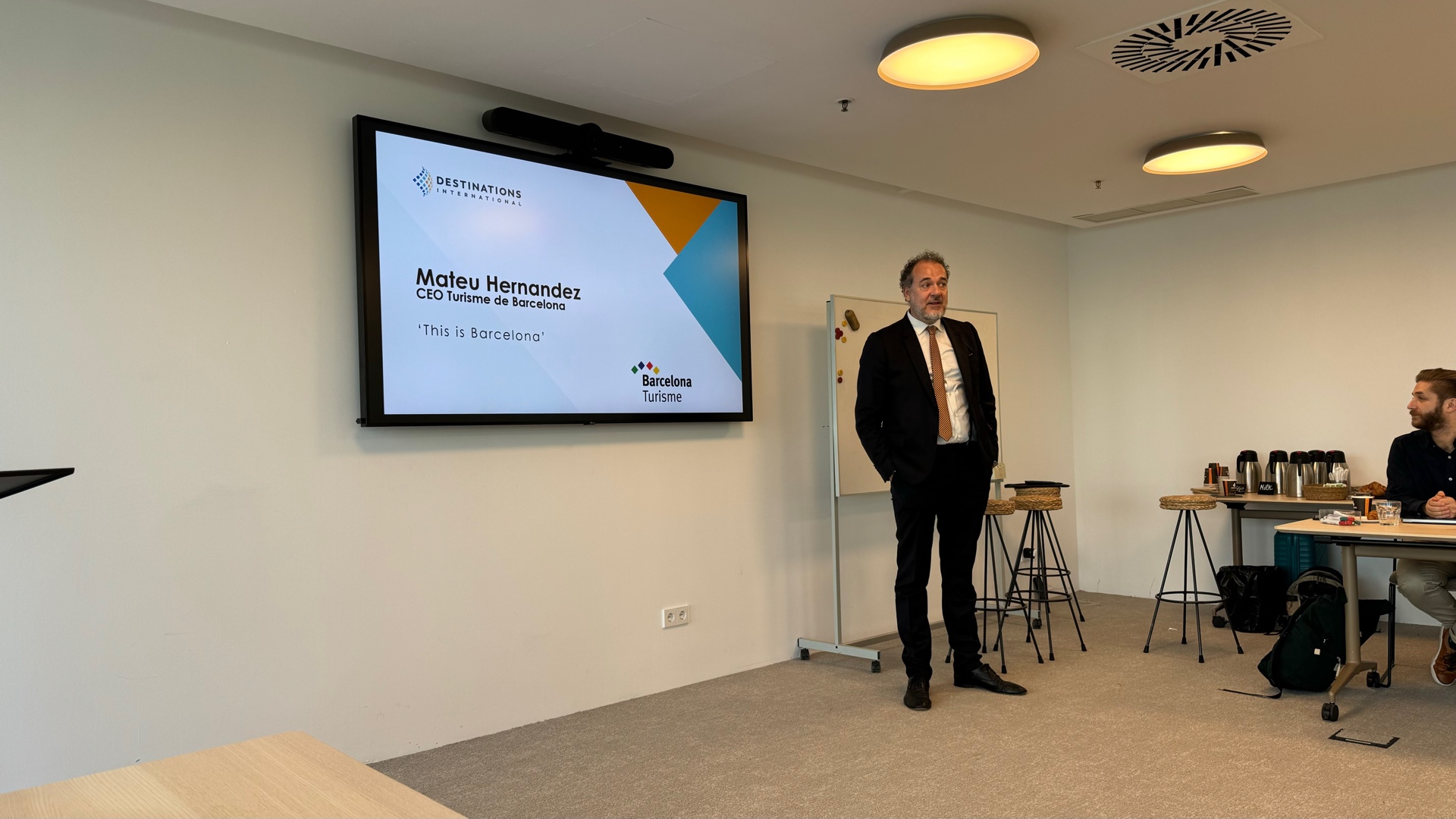
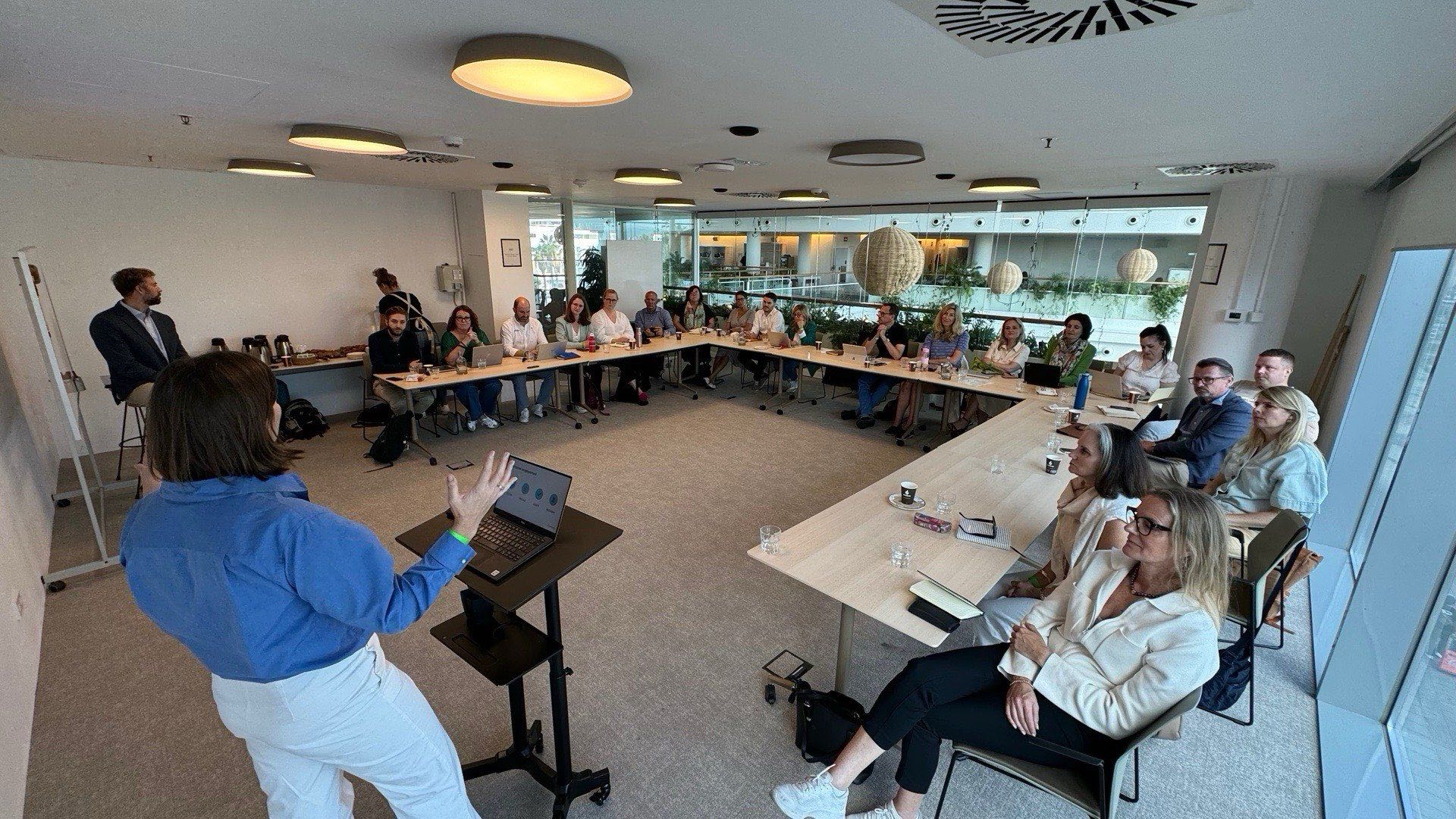
During my visit to Barcelona as part of the Destinations International Pathfinder Seminar, I had the opportunity to hear firsthand how this iconic city has developed its tourism industry. The seminar kicked off with an insightful presentation by Mr. Mateu Hernandez, CEO of Tourisme de Barcelona, who shared fascinating details about how the city manages its growing tourism economy.
Tourism’s Economic Impact
Tourism is a vital part of Barcelona’s economy, directly employing around 150,000 workers. The city receives approximately 12 million tourists annually, making it one of Europe’s most visited cities. Of those visitors, around 3 million arrive via cruise ships, making Barcelona the second-largest cruise harbor in the world and the largest in Europe. However, the influx of cruise tourists has sparked debates around the benefits and challenges of this form of tourism.
The Cruise Industry: Boon or Burden?
Barcelona’s cruise industry is a significant revenue generator but also a point of contention. Many locals feel the sheer number of cruise passengers adds to overtourism, crowding the city center while contributing little to the local economy, as cruise visitors typically spend less and stay for shorter periods. The city is now grappling with how to balance the economic benefits of the cruise industry with the quality of life for residents and sustainable tourism practices.
Focusing on Offerings, Not Just Target Segments
One of the key strategies shared by Mr. Matteo is that Barcelona’s tourism focus is not solely on targeting specific visitor segments, but rather on what the city has to offer. The emphasis is on promoting Barcelona's rich culture, history, and identity, making these integral parts of the tourism experience. This is a valuable lesson for the Nordic countries, especially Finland, where culture and identity could be further integrated into tourism development strategies.
Addressing Challenges: Airbnb and the City Center
Barcelona has faced significant challenges with Airbnb and other short-term rental platforms, which were initially seen as competitors to hotels. However, the city has shifted its focus from competition to safety concerns, as Airbnb properties often lack the same regulatory oversight as hotels. This change in focus has led to stricter regulations. Another challenge is that some city center offices have been transformed into hotels, turning parts of the city into what locals call an “amusement park” for tourists, eroding the diversity and identity of the urban landscape.
Diversity and Cultural Identity
A central theme in Barcelona's tourism strategy is preserving the cultural identity of the city while promoting tourism. Mr. Hernandez emphasized that a city center should be diverse, both in its population and its offerings. Rather than focusing solely on entertainment for tourists, the city is working to engage local cultural practitioners and bring them on board to create an authentic cultural experience for visitors. This holistic approach helps maintain the city's unique identity, which is crucial for sustainable tourism.
Tourism Tax and Funding
Barcelona has implemented a tourism tax, with 50% of the tax revenue directed toward tourism marketing and 50% allocated to city development projects. This strategic use of funds supports both tourism promotion and the improvement of infrastructure, which benefits both residents and visitors. According to the information shared, Barcelona’s tourism budget is estimated at €17 million annually. This approach of reinvesting in tourism and city development could serve as an inspiration for Nordic countries looking to manage growth and reinvest in local infrastructure.
What Can the Nordics Learn?
For Nordic countries like Finland, the Barcelona model offers several takeaways:
1. Cultural integration: Much like Barcelona, the Nordics should emphasize cultural identity and local engagement to create a tourism offering that is both sustainable and authentic.
2. Balancing tourism influx: Managing mass tourism, particularly cruise tourism, is essential. Oulu and other Finnish cities can learn from Barcelona’s approach to mitigating the negative impacts of overtourism.
3. Safety and regulation: Addressing safety concerns with short-term rentals like Airbnb and ensuring these accommodations meet regulatory standards can help maintain a balanced tourism ecosystem.
4. Smart investment: Barcelona’s use of tourism tax to fund both marketing and city development is a model that Nordic cities could consider adopting to ensure tourism benefits the whole community.
Conclusion
Barcelona’s journey offers valuable lessons in how to manage tourism in a way that balances growth, sustainability, and cultural preservation. As Oulu and other Nordic destinations continue to grow, implementing strategies that engage local communities, preserve cultural identity, and manage tourism influx responsibly will be crucial to long-term success.
Comments